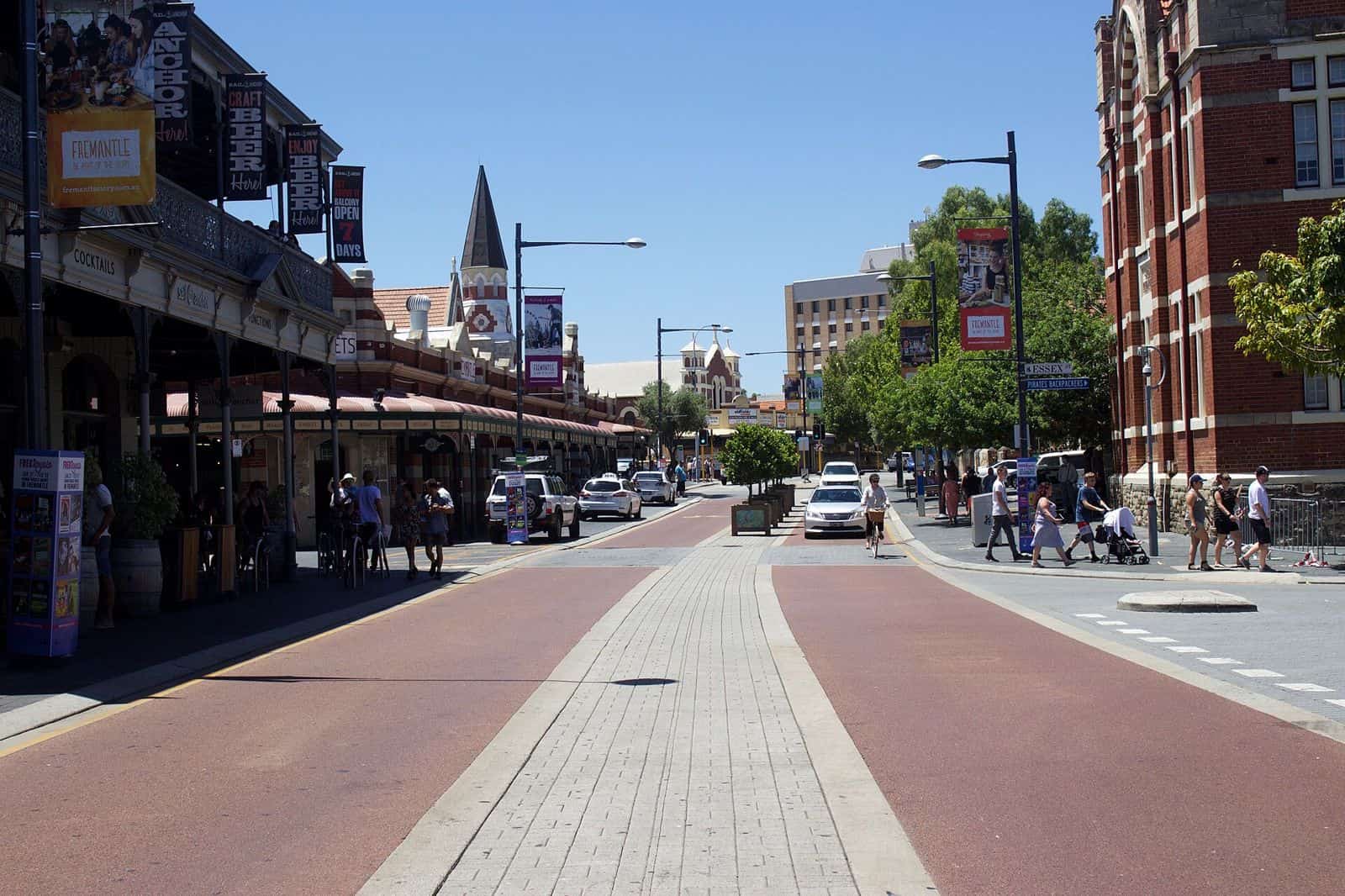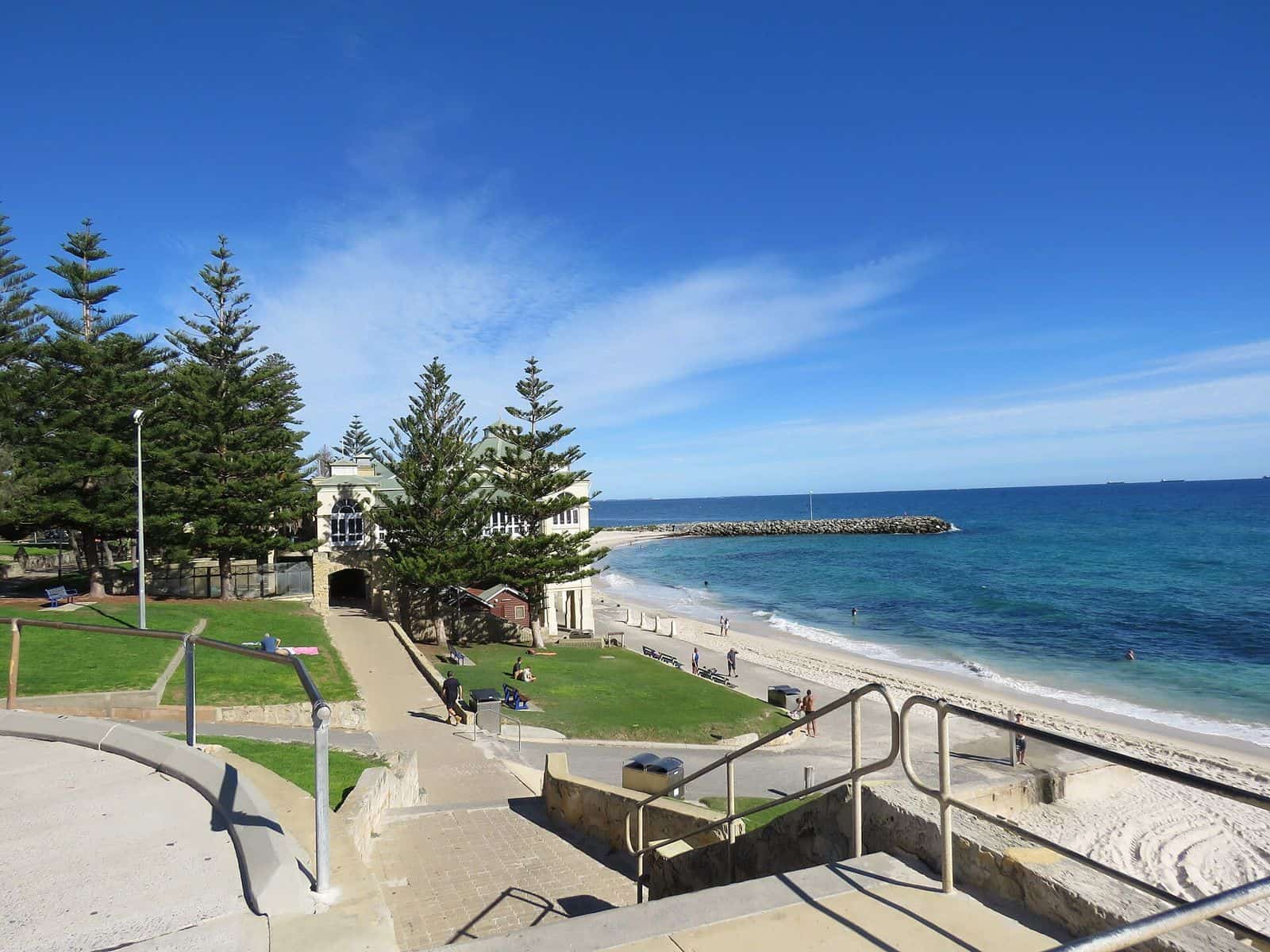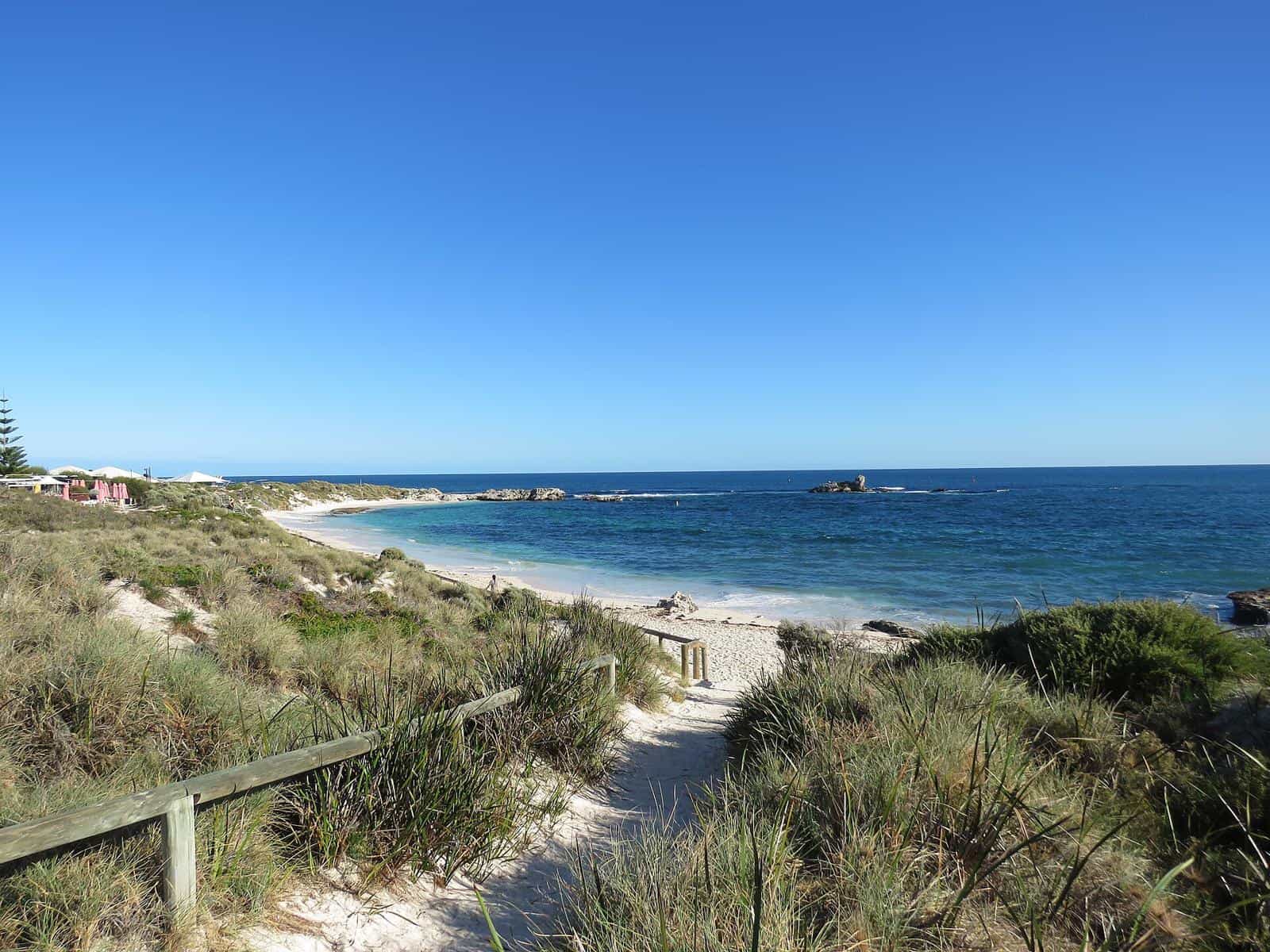
Rottnest Island is Perth's favourite escape: a low, sandy island ringed by clear turquoise bays, criss-crossed by quiet roads where bikes outnumber vehicles, and home to the famously photogenic quokka. It lies about 18 kilometres off the coast from Fremantle, and on a calm day, the ferry ride is part of the fun.
19 km²
Island area
An A-class reserve
18 km
From Fremantle
West across the ocean
1696
Named
By Dutch captain Willem de Vlamingh
About the island
To the Whadjuk Noongar people, the island is Wadjemup. Its European name came from the Dutch captain Willem de Vlamingh, who visited in 1696 and mistook its quokkas for large rats, calling it "Rotte nest" (rat's nest). The island's history includes a painful chapter: from the 1830s it was used as a prison for Aboriginal men and boys, and many died there. Today, the island acknowledges this history, and visitors can learn more through interpretation in the settlement.
Rottnest is an A-class reserve, the highest level of protection under Western Australian law, and it is managed by the Rottnest Island Authority. That protection covers its marine environment as well, with coral, fish and reef life in the surrounding waters.
Getting there
Ferries are the main way to reach Rottnest. Services leave from Fremantle, and some also run from the Perth city ferry terminal and Hillarys Boat Harbour in the northern suburbs. The trip from Fremantle is the shortest. Timetables and fares change by season, so book ahead in summer and school holidays. Ticket packages usually include the island admission fee and can include bike hire or snorkel gear.
You can also fly by small plane or arrive by private boat, but most day-trippers take the ferry.
Getting around
There are no private cars on Rottnest, which is a large part of its charm. Most visitors hire a bike on the island or bring one on the ferry. Roads are sealed and fairly quiet, but there are hills and the island can be windy. The island also has bus services connecting the settlement with the main bays, useful if you want to cycle only part of the way or need a rest. Walking trails, including the Wadjemup Bidi network, suit those who prefer to explore on foot.
Best bays and beaches
Rottnest has dozens of beaches and bays. The best one on any given day depends on the wind: on breezy days, choose a bay on the sheltered side of the island.
| Bay | Why go | Good for |
|---|---|---|
| The Basin | Shallow, sheltered pool near the settlement | Families, snorkelling |
| Pinky Beach | White sand by Bathurst Lighthouse | Swimming, sunsets |
| Parakeet Bay | Clear water on the north coast | Swimming, snorkelling |
| Little Salmon Bay | Snorkel trail and reef life | Snorkelling |
| Geordie Bay | Calm bay with holiday cottages | Relaxing, families |
There are no lifeguards at most bays, and conditions can change. Swim between flags where they are present, check conditions and keep away from reefs at low tide.
Meeting the quokkas
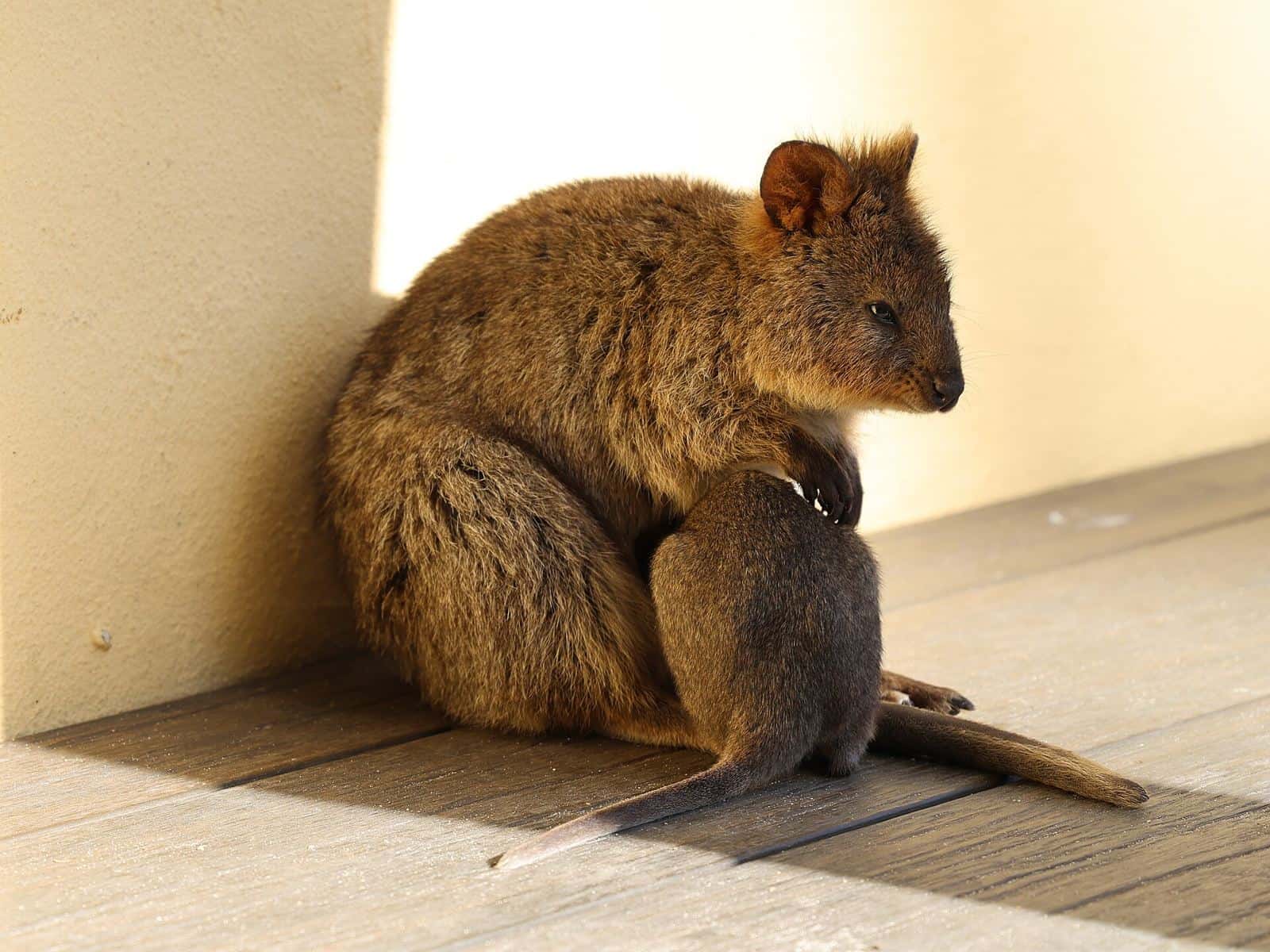
Quokkas (Setonix brachyurus) are small wallaby-like marsupials. Rottnest is home to the largest population. They are often found around the settlement and in shady areas across the island. It is tempting to get close for a "quokka selfie", but you must not touch, feed or pick them up. Human food can make them sick, and fines apply. Keep a respectful distance and crouch to their level for photos.
Snorkelling and swimming
Rottnest's waters are warmer than you might expect because of the Leeuwin Current, and its reefs host colourful fish, corals and sea plants. Little Salmon Bay and Parker Point have snorkel trails with underwater plaques. Hire snorkelling gear on the island or bring your own. Always snorkel with a buddy, check the conditions and be aware of boats.
Things to do beyond the beach
Climb to Wadjemup Lighthouse in the centre of the island for views, explore the historic settlement, look for seals and dolphins at the West End, or spot birds on the salt lakes. In whale season, humpback whales pass the island on their migration. There are also tours, from boat trips to guided walks; book ahead in summer.
Planning your day
Rottnest day-trip checklist
0 of 7 done
Ticks are saved in this browser only.
Sample one-day itinerary
Take an early ferry from Fremantle and pick up your bike. Ride to The Basin for a morning swim, then head west along the north coast to Parakeet Bay. Stop for lunch, then continue to Little Salmon Bay for snorkelling. On your way back, look for quokkas in the shady settlement and take a final dip at Pinky Beach before the ferry home.
Staying overnight
The island has accommodation from campsites and cabins to holiday houses, a hotel and a glamping resort. Staying overnight means quiet evenings after the day crowds leave, sunsets over the ocean and early-morning quokka sightings. Book well ahead for summer and school holidays.
Is Rottnest worth it?
Absolutely. For many visitors, a day on Rottnest is the highlight of a Perth trip. The combination of clear water, quiet roads and wildlife is hard to beat. Plan around the weather and wind, respect the quokkas and allow time to slow down.
Respecting Wadjemup
Many visitors are unaware of the island's history as a place of imprisonment for Aboriginal people. Taking time to learn about this history, including through the island's interpretive displays, adds depth to a visit. Treat the island with respect, follow the rules and leave no trace.
Frequently asked questions
How do I get to Rottnest Island?
Passenger ferries run to Rottnest from Fremantle, and some services also leave from Perth city and Hillarys Boat Harbour. Check ferry operators for current timetables and fares, which vary by season.
Can I take my car to Rottnest?
No. Private cars are not allowed on the island. Visitors get around by bike, on foot, or by the island bus services.
Can I touch or feed the quokkas?
No. Quokkas are protected wildlife. Do not touch, feed or pick them up. Fines can apply. Admire and photograph them from a respectful distance.
Is one day enough on Rottnest?
A day is enough to cycle part of the island, swim at a couple of bays and see quokkas. Staying overnight lets you explore more slowly and enjoy the quiet evenings.
Is there an admission fee?
Visitors to Rottnest pay an admission fee, which is usually included in ferry tickets. Check the Rottnest Island Authority's website for current details.
What are the best beaches on Rottnest?
Popular choices include The Basin and Pinky Beach near the settlement, and Little Salmon Bay and Parakeet Bay further out. Conditions vary with the wind, so choose a sheltered side.
Do I need to be fit to cycle Rottnest?
The island has some hills, and the full loop is a long ride for casual cyclists. Many people cycle shorter sections and use the island bus. E-bikes are another option.
Is there food on the island?
Yes. The main settlement has a bakery, cafes, a general store and restaurants. Further out, facilities are limited, so carry water and snacks.
Sources and further reading
Facts on this page were checked against these primary and official sources. Conditions change — confirm before you travel or buy.
- Rottnest Island — Rottnest Island Authority
- Rottnest Island — Wikipedia
- Quokka — Wikipedia