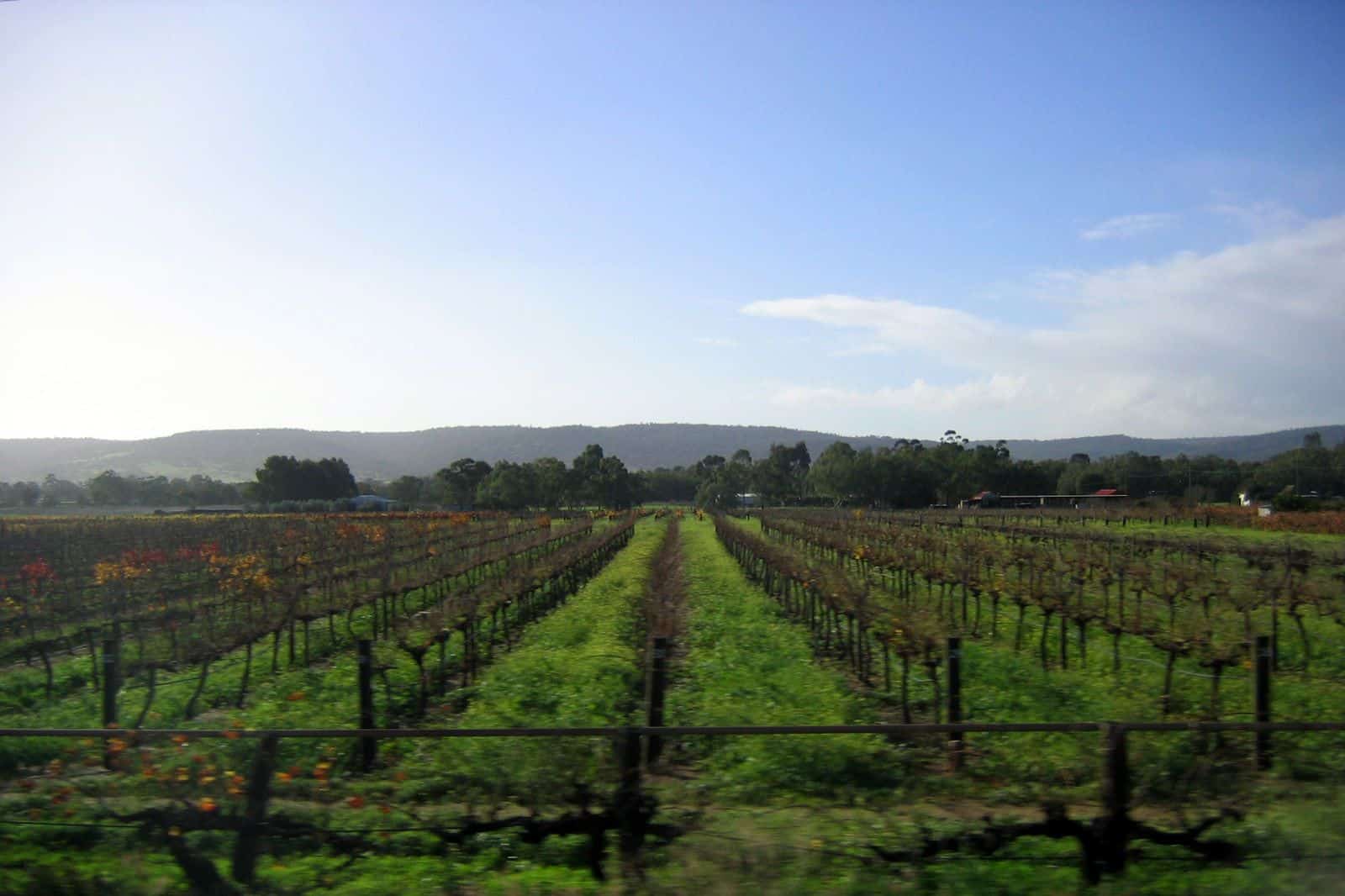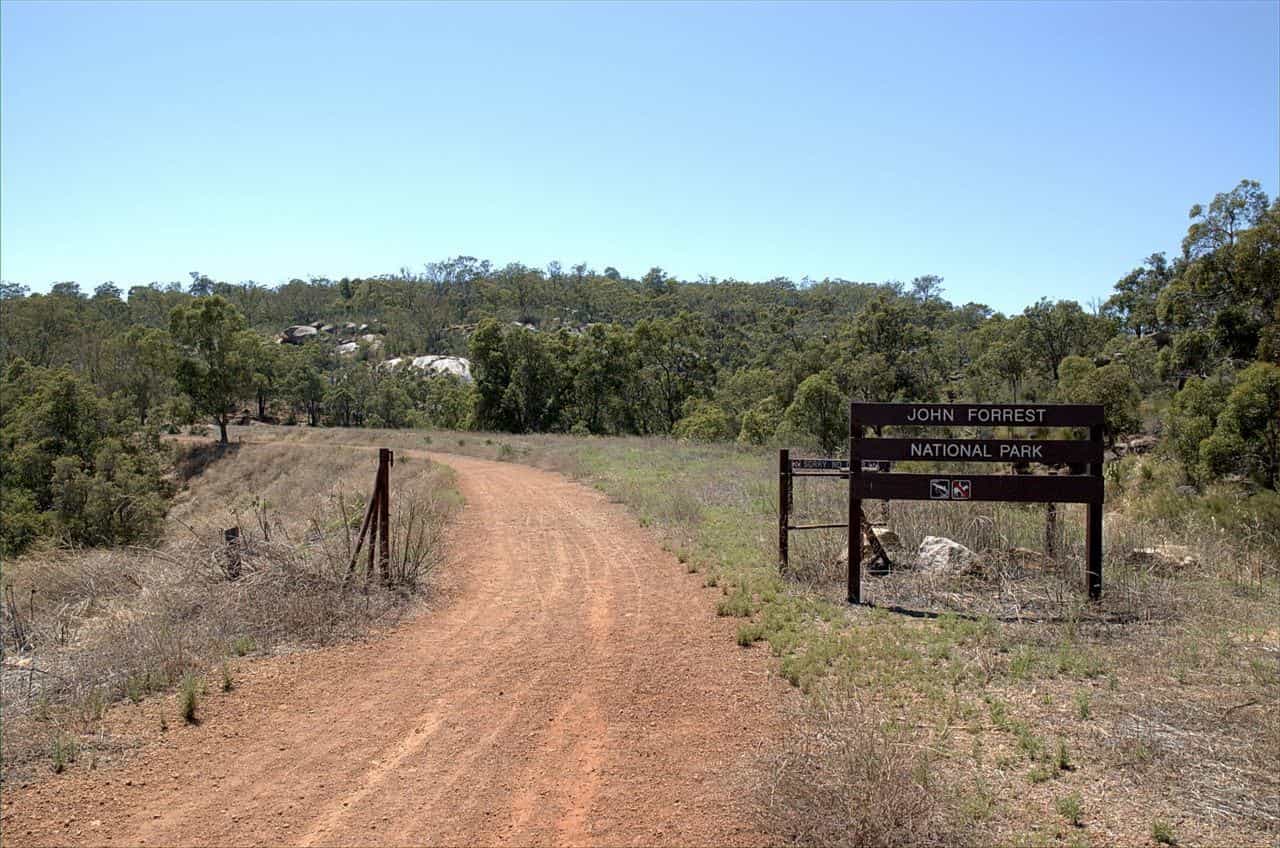
East of Perth, the land rises to the Darling Scarp and the Perth Hills. Here, jarrah and marri forest, granite outcrops and seasonal streams create a very different landscape from the coast. Bushwalks, waterfalls in winter, picnic spots and small hills towns make the area a favourite for relaxed day trips. The best-known destination is John Forrest National Park, Western Australia's first national park.
1900
Proclaimed
WA's first national park
24 km
From the CBD
East, on the Darling Scarp
Winter
Waterfall season
After rain
John Forrest National Park
John Forrest National Park was proclaimed in 1900, making it Western Australia's first national park. It is named after Sir John Forrest, the explorer and first Premier of Western Australia. The park protects jarrah and wandoo woodland and is home to kangaroos, birds and reptiles.
Things to do
- Walk the John Forrest Heritage Trail, a mostly flat walking and cycling trail along an old railway line. It includes the historic Swan View Tunnel.
- Visit the waterfalls in winter and early spring, when National Park Falls and Hovea Falls flow after rain.
- Picnic in the central area, which has lawns, barbecues and a tavern.
- Spot wildlife, especially kangaroos, in the early morning and late afternoon.
Walks in the Perth Hills
The Perth Hills have many walks. Lesmurdie Falls, Kalamunda's trails and the start of the long-distance Bibbulmun Track are all in the area. The Bibbulmun Track runs from Kalamunda all the way to Albany on the south coast. You can walk a short section as a day walk.
| Walk | What to expect |
|---|---|
| John Forrest Heritage Trail | Flat, old railway line, tunnel |
| National Park Falls | Short walk to a seasonal waterfall |
| Lesmurdie Falls | Waterfall and city views |
| Bibbulmun Track sections | Day walks from Kalamunda |
Hills towns
Kalamunda, Mundaring and other hills towns have cafes, markets, galleries and wineries. The Bickley Valley has orchards and cellar doors.
Getting there
The Perth Hills are best explored by car. John Forrest National Park is about 24 km east of the CBD. Public transport reaches some hills towns, but services can be limited. Check Transperth for options.
Safety
Hills walk checklist
0 of 7 done
Ticks are saved in this browser only.
Watch for snakes in warmer months, keep to paths and wear sturdy shoes. Some trails are steep and rocky.
When to go
Winter and spring are best. Streams and waterfalls flow, the bush is green and spring brings wildflowers. Summer is hot, with high fire risk; walk early or choose shaded trails.
Wildlife
Look for western grey kangaroos, parrots, honeyeaters and lizards. Keep your distance and do not feed wildlife.
Is it worth visiting?
Yes, particularly in winter and spring. The Perth Hills offer a peaceful bush escape close to the city, with walks for all abilities.
Combine with
Combine the Perth Hills with the Swan Valley for food and wine.
Respect the bush
Stay on marked trails, take rubbish home, follow fire bans and leave plants and animals undisturbed. Pets are generally not allowed in national parks.
Picnics and barbecues
John Forrest National Park's central area has lawns, barbecues and picnic tables. Check fire restrictions before lighting barbecues.
Accessibility
The Heritage Trail is mostly flat and suitable for many users. Some picnic areas have accessible facilities. Other trails are steep and rough.
Photography
Waterfalls, granite outcrops and wildflowers make great subjects. Early morning and late afternoon offer the best light and the best chance of seeing kangaroos.
With children
The Heritage Trail and the tunnel are popular with children. The picnic areas have lawns for play.
A day in the hills
Start early with a walk on the Heritage Trail to Swan View Tunnel, picnic in John Forrest, then visit National Park Falls if they are flowing. In the afternoon, explore a hills town for coffee or visit a winery.
The Bibbulmun Track
The Bibbulmun Track is one of the world's great long-distance walking trails, running from Kalamunda in the Perth Hills to Albany on the south coast. Most visitors never walk the whole thing, but its northern terminus makes it easy to try a short section as a day walk. The track is marked with yellow triangles showing the Waugal, the rainbow serpent of Noongar tradition. The Bibbulmun Track Foundation publishes maps and advice for walkers.
Rainy-day hills
Winter rain brings the hills to life. Waterfalls flow, creeks run and the forest smells of eucalyptus and damp earth. Wear waterproof layers and shoes with good grip, because granite can be slippery when wet. Afterwards, warm up with a coffee in Kalamunda or Mundaring.
Frequently asked questions
How far is John Forrest National Park from Perth?
John Forrest National Park is about 24 kilometres east of the Perth CBD, on the Darling Scarp in the Perth Hills.
Is John Forrest Western Australia's oldest national park?
Yes. It was proclaimed in 1900 and is Western Australia's first national park.
When do the waterfalls flow?
Waterfalls in the Perth Hills generally flow in winter and early spring after rain. They may be dry or reduced to a trickle in summer.
Is there an entry fee?
Vehicle entry fees may apply to John Forrest National Park. Check the Parks and Wildlife Service website for current fees.
Are there easy walks?
Yes. There are short walks and the mostly flat John Forrest Heritage Trail, which follows an old railway line, including a historic tunnel.
Can I see kangaroos?
Western grey kangaroos are often seen in the park, especially early morning and late afternoon. Keep your distance and do not feed wildlife.
Is it safe to walk in summer?
Summer days can be very hot, and bushfire risk can be high. Walk early, carry plenty of water and check for fire bans and park closures.
Are dogs allowed?
Pets are generally not allowed in WA national parks. Check the rules before you go.
Sources and further reading
Facts on this page were checked against these primary and official sources. Conditions change — confirm before you travel or buy.
- John Forrest National Park — Parks and Wildlife Service WA
- John Forrest National Park — Wikipedia
- Emergency WA — Department of Fire and Emergency Services